 CapEx in Real Estate: 7 Essential Costs Every Investor Should Plan For
What Is CapEx in Real Estate?
CapEx in real estate refers to major property improvements and replacements that extend the life of a property and help preserve its value over time. CapEx stands for Capital Expenditures, and understanding it is essential for anyone purchasing an income-generating property.
Unlike routine maintenance, CapEx expenses are larger projects that occur periodically and often require significant planning and reserves.
Common examples of CapEx in real estate include:
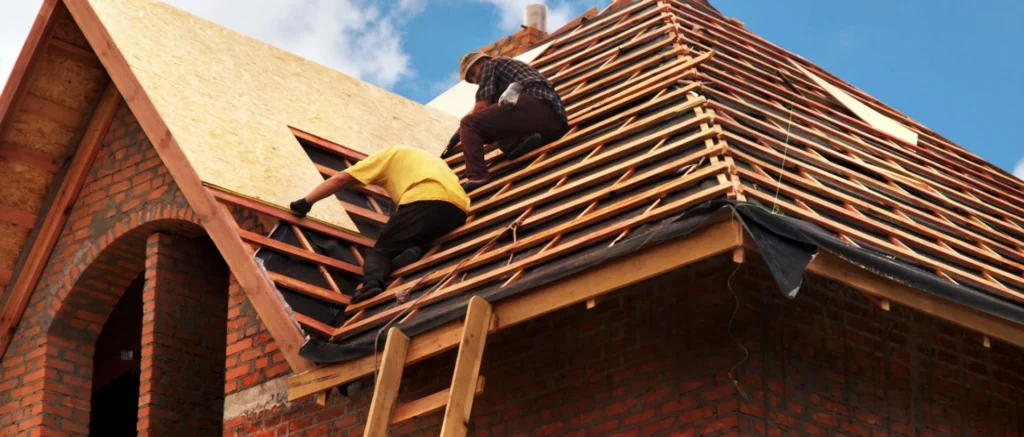
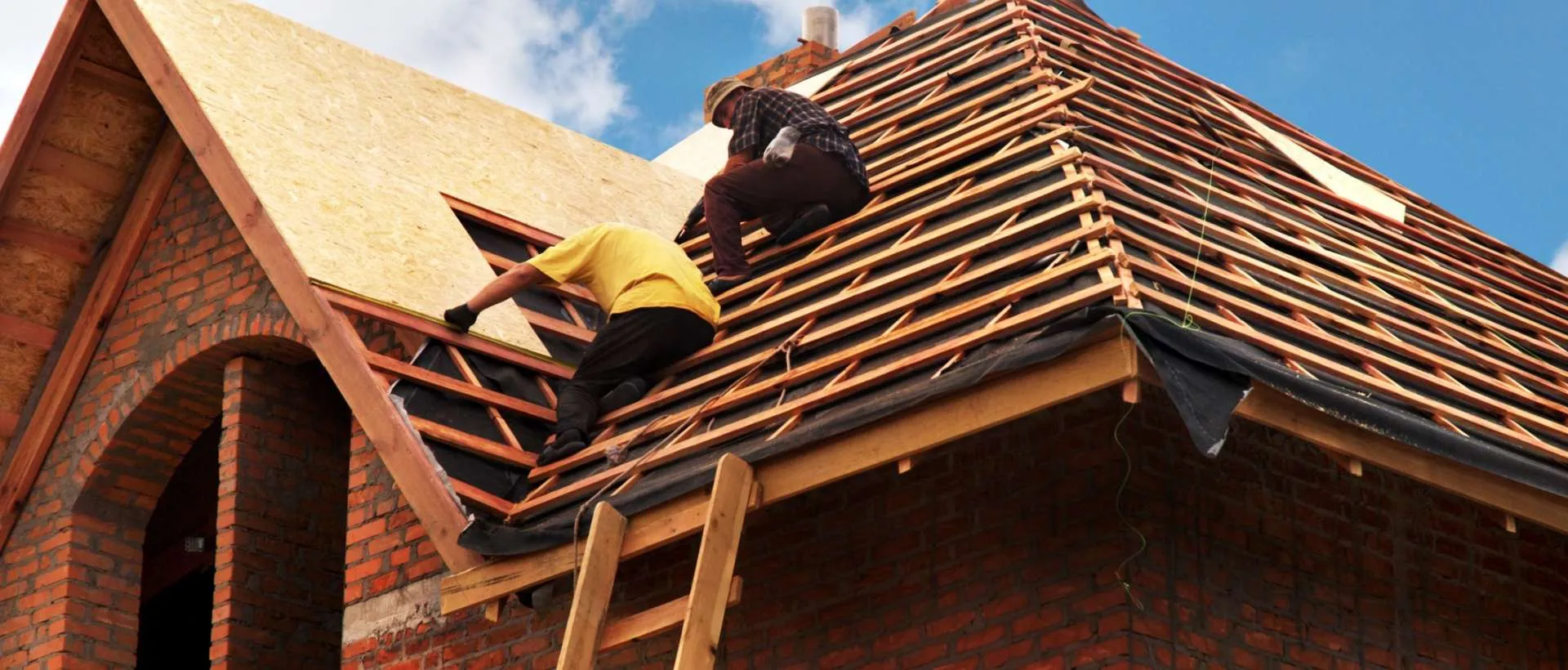
- Roof replacement
- HVAC replacement
- Water heater replacement
- Plumbing updates
- Electrical upgrades
- Window replacement
- Kitchen and bathroom renovations
These improvements can cost thousands of dollars, which is why successful investors plan for them long before they become necessary.
Why CapEx in Real Estate Matters
One of the biggest mistakes new investors make is focusing solely on today’s cash flow without considering future capital expenses.
Every property will eventually need major repairs and replacements. Roofs wear out, HVAC systems fail, and building components age over time. Ignoring these future costs can create unexpected financial stress and significantly reduce investment returns.
Proper CapEx planning helps investors:
- Protect cash flow
- Reduce financial surprises
- Avoid high-interest debt
- Preserve property value
- Attract and retain quality tenants
- Improve long-term investment performance
Whether you own a duplex, triplex, apartment building, or single-family rental, CapEx planning should be part of your investment strategy.
Common CapEx Costs for Rental Properties
While costs vary based on location, property size, and contractor pricing, investors should anticipate major expenses such as:
| Item | Typical Replacement Cycle |
|---|---|
| Roof | 15-30 Years |
| HVAC System | 10-20 Years |
| Water Heater | 8-15 Years |
| Windows | 15-30 Years |
| Appliances | 8-15 Years |
| Driveway/Parking Lot | 15-25 Years |
| Kitchen Renovation | 15-25 Years |
| Bathroom Renovation | 10-20 Years |
Understanding the expected lifespan of major building systems can help investors create more accurate budgets and avoid costly surprises.
CapEx vs Maintenance: What’s the Difference?
Many new investors confuse CapEx with maintenance expenses.
Maintenance includes routine repairs and recurring costs such as:
- Fixing a leaking faucet
- Replacing air filters
- Servicing HVAC equipment
- Repairing a garbage disposal
- Touch-up painting
CapEx expenses are larger investments that extend the useful life of the property or significantly improve it.
For example:
- Replacing a roof is CapEx.
- Replacing an entire HVAC system is CapEx.
- Remodeling a kitchen is CapEx.
- Repairing a broken outlet is maintenance.
- Fixing a small plumbing leak is maintenance.
Understanding the difference helps investors budget appropriately and evaluate the true performance of a rental property.
How to Budget for CapEx in Real Estate
A common rule of thumb is to reserve between 5% and 10% of monthly rental income for future capital expenditures.
For example:
- Monthly Rent: $2,000
- Recommended CapEx Reserve: $100-$200 per month
Some investors take a more detailed approach by creating a replacement schedule for major building systems. This allows them to estimate future expenses and build reserves accordingly.
When analyzing rental properties, it’s important to account for both maintenance reserves and CapEx reserves. A property that appears profitable today may become far less attractive if future capital expenses are ignored.
 Note: Costs vary depending on location, property size, and contractor pricing.
 Note: Costs vary depending on location, property size, and contractor pricing.
What Happens If You Don’t Plan for CapEx?
Failing to budget for CapEx in real estate can create serious financial challenges.
Without reserves, investors may be forced to:
- Delay important repairs
- Use credit cards or loans for emergencies
- Accept lower rents due to deferred maintenance
- Experience higher tenant turnover
- Reduce overall profitability
Over time, deferred maintenance can compound into larger and more expensive issues.
The most successful real estate investors understand that protecting a property’s condition is just as important as collecting rent.
Final Thoughts on CapEx in Real Estate
CapEx in real estate may not be the most exciting part of property ownership, but it is one of the most important.
Planning for major repairs and replacements helps investors protect cash flow, preserve property value, and avoid unexpected financial setbacks.
If you’re considering purchasing an income-generating property, make sure you’re evaluating both current performance and future capital expenses. A well-maintained property with properly funded reserves is often a stronger investment than one that simply produces the highest cash flow today.